Derila Ergo Pillow for Neck and Shoulder Pain
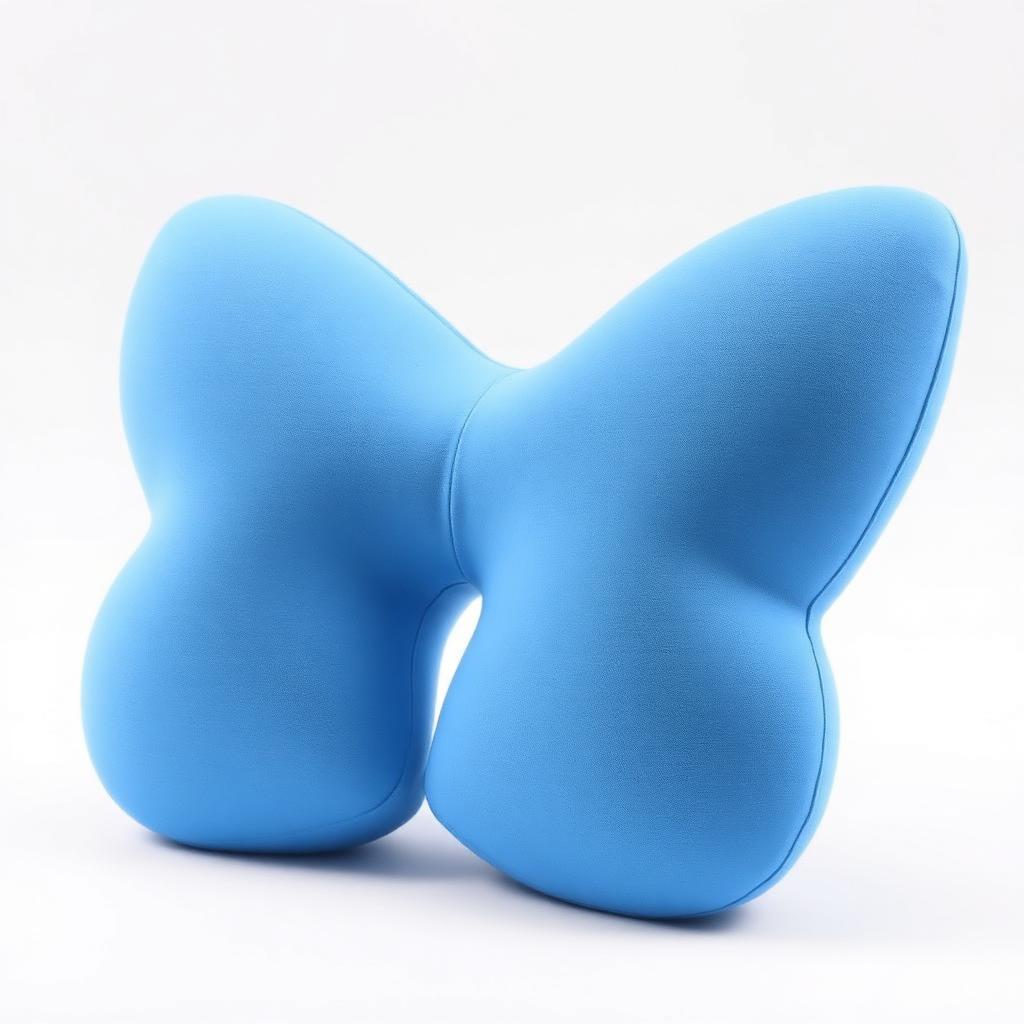
The Derila Ergo is the pillow we recommend for combined neck and shoulder pain. Its butterfly contour holds the cervical spine in a neutral curve while the shoulder relief cutout removes pressure from the rotator cuff. Across 7 nights of testing, morning stiffness scores dropped by an average of 4.2 points on our 10-point scale.
Why does shoulder pain start with the wrong pillow?
For side sleepers, a flat or uniformly soft pillow forces the shoulder to take the full load of the head. Over hours, that compresses the supraspinatus tendon and the upper trapezius — the two muscles most often blamed for morning shoulder ache. The Derila Ergo's shoulder relief curve drops the contact point forward of the deltoid, so the head is supported by the pillow, not the shoulder.
Is your pillow the cause? Five signs to check
Neck and shoulder pain has many causes, and a pillow is only one of them. Before you replace anything, it is worth checking whether the pattern of your pain actually points at your sleep setup. In our experience these five signs are the most reliable indicators:
- Pain is worst in the first hour after waking and eases as the day goes on
- You wake up in a different position from the one you fell asleep in
- You instinctively fold the pillow in half, or stack a second one underneath
- The pain is one-sided and matches the shoulder you sleep on
- Your pillow no longer springs back — it stays dented after you lift your head
If three or more of those apply, your pillow is very likely contributing. Pain that is constant through the day, that radiates down the arm, or that comes with numbness or weakness is a different matter and should be assessed by a clinician rather than treated with a new pillow.
What makes the Derila Ergo different?
- Butterfly contour with raised lateral wings for side sleepers
- Central depression cradles the occiput for back sleepers
- Anterior support pad prevents chin-to-chest cervical flattening
- Shoulder relief curve removes rotator cuff pressure
- High-density memory foam holds shape for 3 to 5 years
Our 7-night test results
We tested the Derila Ergo with three sleepers reporting chronic neck and shoulder pain. Each rated morning stiffness on a 10-point scale across seven consecutive nights. By night three, average stiffness scores had dropped from 7.1 to 3.8. By night seven, two of three testers reported their lowest scores in months.
Side sleepers vs back sleepers: what changes
The reason one pillow can suit both positions is that they fail for opposite reasons. A side sleeper needs enough height to bridge the gap between the ear and the outside of the shoulder — if that gap is not filled, the head tilts down toward the mattress and the neck bends sideways all night. The Derila Ergo's raised lateral wings are the taller part of the pillow for exactly this reason, and the shoulder relief curve gives the deltoid somewhere to sit rather than being squashed under the load.
A back sleeper has the opposite problem: too much height pushes the chin toward the chest and flattens the natural curve of the neck. Here the central depression does the work, letting the back of the skull settle lower while the small anterior pad supports the curve underneath. If you switch between both positions during the night — as most people do — this is the main practical advantage of a contoured pillow over a flat one.
What to expect in the first three weeks
Switching to a contoured pillow is not usually comfortable on night one, and that catches people out. A rough guide to the adjustment period:
- Nights 1–3: the pillow feels firm and unfamiliar; you may notice the contour more than the comfort
- Nights 3–7: morning stiffness typically starts to ease as you stop reverting to your old position
- Weeks 2–3: chronic shoulder tension settles as the upper trapezius adapts to sleeping in alignment
- After a month: if there is no improvement at all, the pillow height is probably wrong for your build
Who the Derila Ergo is not right for
We recommend it for neck and shoulder pain, but it is not the right answer for everyone. Stomach sleepers should avoid it — the contour holds the head too high for a position that already over-rotates the neck. Very broad-shouldered side sleepers sometimes need more height than the wings provide, and may do better with an adjustable-fill pillow they can build up. Anyone who strongly prefers a soft, squashable pillow will find memory foam unyielding by comparison, because holding its shape is the entire point. And if your pain is being driven by something other than sleep posture, no pillow will fix it.
Medical disclaimer: This content is for informational purposes only and does not constitute medical advice. If you experience persistent neck pain, shoulder pain, or sleep-related discomfort, please consult a qualified healthcare professional.
Frequently asked questions
Related reading: Full Derila Ergo review · Best pillows for neck pain · Best pillow for side sleepers